In a world where every second counts and efficiency reigns supreme, the ability to upload a file to ChatGPT could be your secret weapon. Imagine having a virtual assistant that not only understands your needs but also helps you navigate the digital maze with ease. Whether it’s a document, a presentation, or that top-secret recipe for Grandma’s famous cookies, uploading files can turn your ChatGPT experience from good to downright stellar.
Understanding ChatGPT File Uploads
The process of uploading files to ChatGPT greatly enhances user interaction. Users can submit various file types, including PDFs, text documents, and spreadsheets. Consider how documents can streamline queries about specific content. Each file provides context that aids ChatGPT in generating more precise responses.
File size restrictions play a crucial role in the uploading process. Ensure the file size does not exceed 10MB to avoid upload errors. Supported formats include standard document types, which streamline compatibility. Text files are easy to work with, allowing for quick consultations during interactions.
Receiving confirmation of successful uploads is essential. After submitting a file, a notification appears to indicate completion. This reassurance helps users know their files are accessible. ChatGPT employs advanced algorithms to analyze uploaded data, increasing the accuracy of the generated answers.
Integrating files enhances interactions by allowing contextually rich exchanges. Document contents may lead to follow-up questions, promoting deeper conversations. The system’s ability to process this content directly contributes to its effectiveness as a virtual assistant.
Redirecting focus to files aids in uncovering new insights. Users could extract specific information from lengthy documents. By simply uploading files, they gain access to detailed analyses and summaries.
Ultimately, understanding the mechanics of file uploads facilitates a smoother experience with ChatGPT. Users should take advantage of this feature, as it bridges the gap between raw data and actionable insights. Engaging with ChatGPT while utilizing file uploads transforms user experience into a more dynamic exchange.
Supported File Types
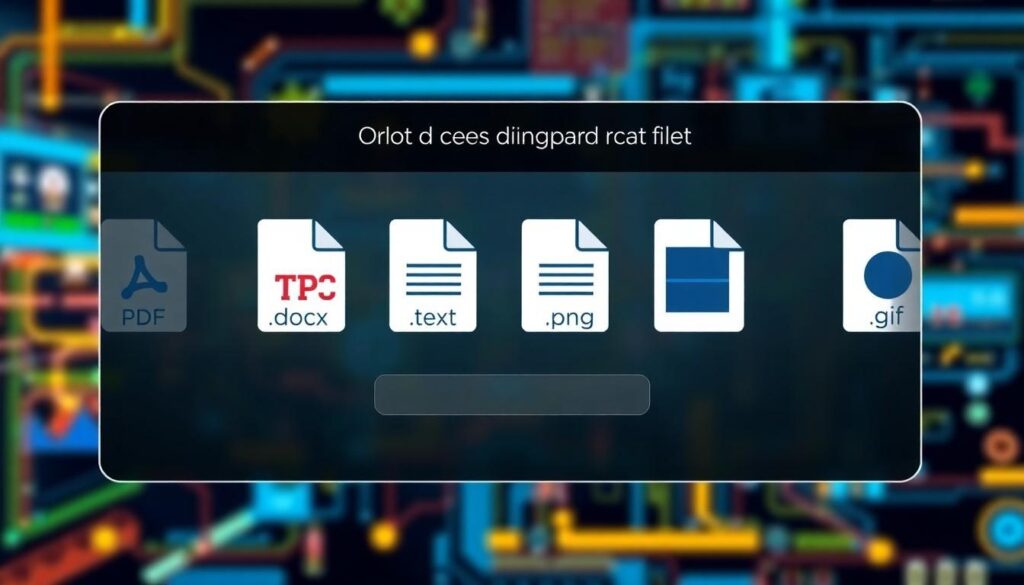
ChatGPT supports a variety of file types for upload, enhancing interaction capabilities. Users can make the most of this feature by choosing from the following categories.
Documents
PDFs, .docx files, and .txt files rank as the primary document types accepted. These formats allow for seamless integration of text, making it easier for ChatGPT to analyze and respond to inquiries. Users can upload academic papers, reports, or any text documents. Each of these formats retains formatting, ensuring that the context remains intact during processing. Adhering to a maximum file size of 10MB ensures quick uploads, allowing for instant engagement with the AI.
Images
Common image formats such as .jpg, .png, and .gif facilitate the upload process for users looking to share visual content. These files enhance communication by allowing ChatGPT to interpret visual information alongside text. Users can submit diagrams, charts, or photographs for detailed discussions. The AI utilizes these images to provide context-rich responses and analyses. Maintaining the file size limit remains vital for smoother uploads, ultimately supporting more engaging and informative exchanges.
Step-by-Step Guide to Uploading a File
Uploading a file to ChatGPT is straightforward and enhances user interaction. Following these steps ensures a smooth experience.
Accessing the Upload Feature
To start, users need to locate the upload area within the ChatGPT interface. Typically, this area appears as an attachment icon or button. Clicking on this icon prompts a file selection dialog. Users should ensure they have the desired file ready for upload. Understanding the interface helps streamline the process. Remember, different platforms might present this feature uniquely, so familiarity with specific platforms enhances ease of use.
Uploading Your File
Choosing a file begins the upload process. After selecting a document, users can either drag and drop or click to confirm the upload. The system accepts supported file types like PDFs, .docx, .txt, .jpg, .png, and .gif, emphasizing the importance of adhering to the 10MB size limit. Notifications appear once the upload completes, confirming file accessibility. Ensuring proper formatting aids in ChatGPT’s ability to deliver accurate responses. Following this guide allows for richer interactions with the AI, leading to tailored insights and enhanced communication.
Troubleshooting Common Issues
Users may encounter issues when uploading files to ChatGPT. Checking file formats first ensures compatibility. Supported types include PDFs, .docx, .txt, .jpg, .png, and .gif. If a file fails to upload, verifying the file size is essential; remember, files must not exceed 10MB.
Internet connection plays a critical role. A stable connection significantly improves the chances of a successful upload. If experiencing delays or failures, consider refreshing the page or restarting the browser. Clearing the cache may also resolve potential conflicts with the upload process.
Receiving a notification confirming a successful upload is standard. If no notification appears, users should retry the upload process. Double-checking the selected file can help identify any errors or misconfigurations.
Interaction with the ChatGPT interface also matters. If users cannot find the upload area, ensure they are using the latest version of the application. Icons may change slightly with updates, so familiarization with the latest interface enhances usability.
Technical glitches may occasionally disrupt file uploads. Restarting the device or switching to a different browser can provide alternative solutions. If problems persist, reaching out to support or checking community forums often uncovers common issues and fixes discovered by other users.
Best Practices for Uploading Files
When uploading files to ChatGPT, consider file size. Adhering to the 10MB limit ensures smooth uploads. Users should also check the file formats beforehand, as only PDFs, .docx, .txt, .jpg, .png, and .gif are accepted. Confirming the compatibility of your files helps avoid any upload issues.
Organizing files for easier access boosts efficiency. Create labeled folders for different types of documents, making the upload process quicker. Use descriptive names for each file, allowing easier identification when selecting what to upload.
Choosing the right time for uploads matters too. A stable internet connection facilitates successful transfers, minimizing disruptions. Avoid peak usage hours to ensure faster upload speeds, which enhances overall productivity.
Step-by-step adherence to the upload guide simplifies the process. Locate the upload area represented by an attachment icon in the ChatGPT interface. Opt for the drag-and-drop method or select the file directly for confirmation. Notifications will confirm successful uploads, providing reassurance.
For those encountering problems, troubleshooting is key. Refresh the page or clear the browser’s cache if uploads fail. Users may also try switching browsers or restarting their devices for a fresh start. Consulting ChatGPT’s support or community forums can offer additional insights if issues persist.
By following these practices, users can maximize the advantages of file uploads, facilitating richer interactions and deeper insights with ChatGPT.
Uploading files to ChatGPT significantly enhances the user experience by enabling more interactive and context-rich conversations. By following the outlined steps and best practices users can easily navigate the upload process and maximize their interactions with the AI.
Adhering to file type and size guidelines ensures smooth uploads while organizing files effectively can streamline access. With the ability to share documents and images users can extract valuable insights and foster deeper engagement with ChatGPT. Embracing this feature opens the door to a more dynamic and insightful dialogue, making every interaction more productive.